
Preserving Literary Heritage Through Master Bookbinding
A well-loved book carries the weight of human memory in its cracked hinges, worn corners, and marginalia scribbled in fading ink. When a cherished volume begins to fall apart, the loss feels personal because books hold space in our lives that digital screens simply cannot replicate.
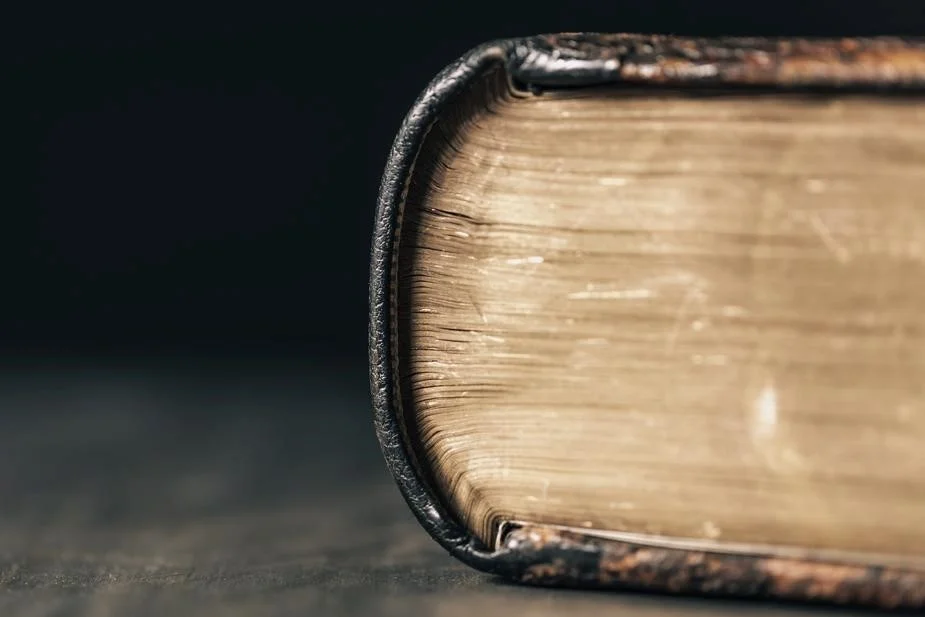
At Booksyfiox, binders treat every fragile signature and loose cover as a historical artifact worth saving. Traditional techniques guide each repair, ensuring that centuries-old craft meets modern archival standards in every project that enters the studio.
The Anatomy of a Failing Binding
Modern commercial bindings rely on synthetic glues that dry out, turn brittle, and snap after just a few decades on a shelf. Older books face different threats, including red rot in leather, iron gall ink corrosion, and acidic paper stock introduced during the nineteenth century. Recognizing these vulnerabilities requires patience and a deep familiarity with how books were originally constructed.
Ignoring a cracked hinge leads to loose sewing threads, and once those threads break, individual leaves begin to drift away from the text block. Loose leaves get lost or damaged along the fore-edge, turning a manageable repair into a complex leaf-casting puzzle. Take action early when a book first shows signs of structural fatigue, and you save both the text and the historic binding style.
Materials Chosen for Centuries
Synthetic vinyls and cheap buckrams have no place on a rare book or a custom collector edition. Natural materials breathe, age alongside the paper, and accept traditional adhesives without breaking down chemically over time. Selection matters just as much as execution when restoring a volume from the handpress era.
- Natural Nigerian goatskin tanned with vegetable extracts for supreme durability
- Handmade linen thread for sewing signatures through original piercing holes
- Unbleached flax paper for repairing torn inner margins and weak hinges
- Genuine gold leaf applied by hand for traditional spine lettering
- Acid-free binder boards that prevent warping and chemical transfer
- Custom marbled endpapers sourced from traditional European makers
Each material plays a specific role in keeping the book stable. Leather protects the exterior from physical wear, while internal thread keeps the paper secure without putting undue stress on the spine folds.
Custom Editions for Modern Collectors
Restoration forms only part of the daily work inside the bindery. Authors, poets, and bibliophiles often bring unbound sheets or modern text blocks in need of a dignified hardcover housing. Transforming a stack of loose printed pages into a permanent volume demands precision, steady hands, and an eye for typographical balance.
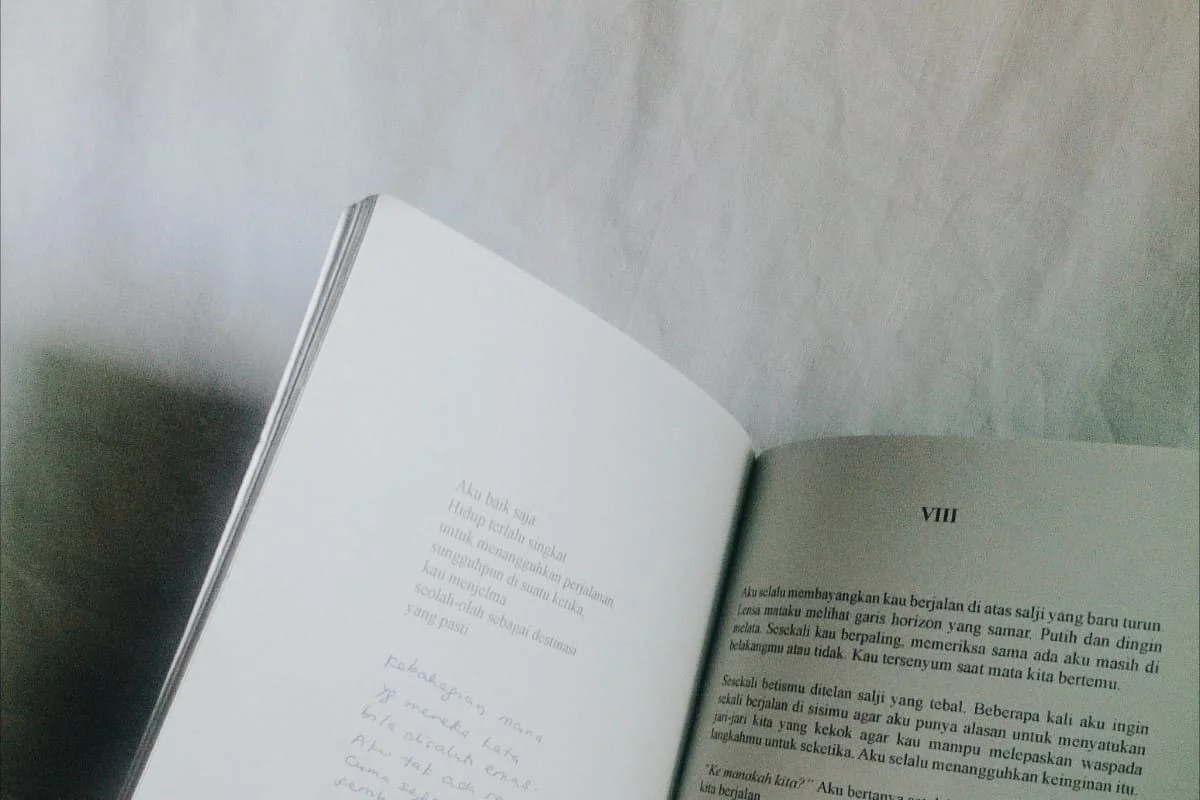
Designing a custom edition starts with understanding the voice of the text inside the boards. A book of modern poetry calls for sleek, minimalist leatherwork and subtle blind tooling, while a fantasy novel or genealogical record might warrant heavy raised cords and marbled boards. Details turn a plain block of paper into an heirloom object that demands to be opened.
Preventing Further Damage at Home
Books live complicated lives on domestic bookshelves, exposed to fluctuating humidity, direct sunlight, and clumsy hands. Keep volumes standing upright without leaning at sharp angles, otherwise the text block sags and pulls away from the spine leather. Leave a small gap of air behind the bookshelf to prevent moisture buildup against exterior walls.
Dust books regularly with a soft, clean brush moving downward from the top edge to the tail. Never use household cleaning sprays, adhesive tape, or rubber bands anywhere near an old book, because these products introduce acids that permanently stain paper and destroy leather bindings beyond repair.
Shelves that face south invite fading from ultraviolet rays, bleaching colorful cloth covers and drying out animal skins until they crack. Move valuable collections away from windows and heating vents to stabilize the microclimate around the books.